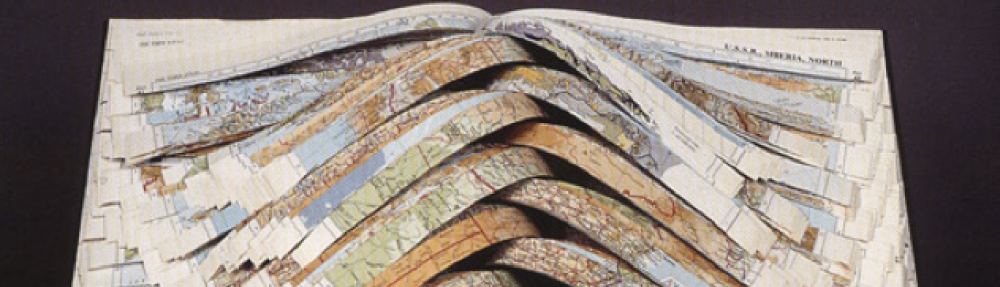
“A book…is not an inert thing that exists in advance of interaction, rather it is produced new by the activity of each reading”
– Johanna Drucker, “The Virtual Codex: From Page Space to E-Space”
In the advance of type and illustration, bookmaker and illustrator merge into one whole that is the book. Each time we reread a book, we notice something new, the type of font, size, and how they interact with each other and the page to demonstrate a new understanding of the book. Some book publications are standardized, or the style is chosen by the author for a specific purpose. In Johanna Drucker’s quote, every time a person reads a book, it is changed into a new one because our understanding of it has changed. By our new notes and changes in what we analyze, that changes the whole purpose and meaning of the book.
While reading, even in elementary school, we are taught to reread and go over the text multiple times. The emphasis is on learning words and sentence structure, but also to deepen our interpretation of the text and the purpose of it. While reading over, we meet bookmaker and author together again as we notice the ink and format of the page working for the story.
In “The Book”, Borsuk states in Chapter 3 that “A book is a space-time sequence.” In a book, time collides together as it contains elements from different time periods which create a time-merge. The text could be written by a modern-day author but contain words originating from decades or centuries ago. The font could be Black letter referencing the standardization of text and the printing press. The style or illustrations came from the medieval period, and the paper and binding came from the new age of industrialization made to not last and be cheap. All of the elements that are in the book contain history and cultural practices from the very beginning of text and codex to the 21st century of commercialization and commodification of books.
Our understanding of the book changes with each reading and new emphasis on physical details. With new observations of how the text and page are made, we are interacting with the whole history of bookmaking, authorship, and globalization. The elements that make up our ability to read and have the book introduces us to the history of how we got to this point today and what we can look at now traces back to centuries old tradition.
Great quote to select: ““A book is a space-time sequence.” I wonder what you think this means, at the material level, and why this matters. What is the time-space sequence?
Hello Janesa, I never really thought about the fact that we were taught to reread for the sake of understanding the material and structure, but we were never really asked to look deeper into the actual physical aspects of the book. Makes you wonder as to why they don’t teach it or let alone even mention it? Great post!