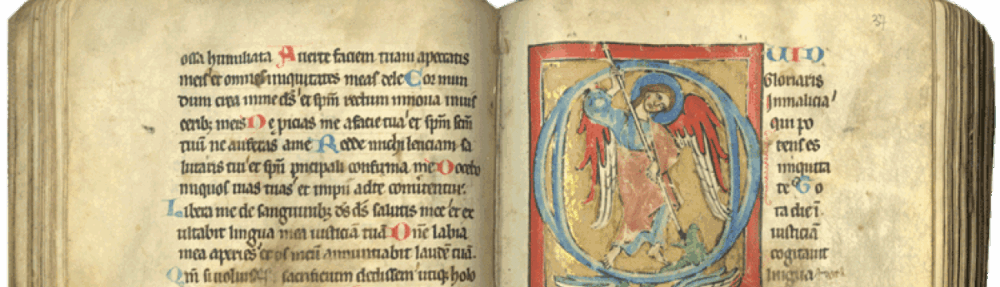
In Chapter 3, “The Book as Idea,” in Amaranth Borsuk’s The Book, Borsuk explores how the physical appearance of the book, along with content, has continually changed alongside human culture and technology: “as the history of the book’s changing form and its mechanical reproduction reveal, it has transformed significantly over time and region” (Borsuk, 110). This transformation not only reflects materials or printing methods, but the shifting relationship between readers, creators, and the physical objects we hold. The book’s form has always mirrored values, artistic or commercial, and tells us about the world that produces it.
In our current moment, the relationship between material and meaning has become more estranged, “as contemporary publishers seek to embrace digital technology, we find ourselves at a moment in which the form and content of a work bear little relation to one another. Amazon offers us the same ‘book’ in paperback or Kindle edition…” (Borsuk, 112). As books become interchangeable across various platforms, they increasingly lose their physical identity. “When books become content to be marketed and sold this way, the historic relationship between materiality and text is severed” (Borsuk, 112). The book, once a tangible object reflecting human touch, becomes purely information, designed for easy consumption, lacking the once physical and intimate engagement.
Borsuk brings in Romantic poet William Blake, who “undertook every stage of their production”, resisting the industrialization of books and “‘dark Satanic Mills’ of eighteenth century London that emitted toxic fumes, employed the poor and children in horrendous conditions, and made books into mass-produced commodities” (118). Instead, returning to “an earlier idea of the book—one steeped in mystery, beauty, and visionary language that bears the marks of its creator’s hand” (Borsuk, 118). Borsuk brings in Blake to show that books can be both a vessel for creativity, and “a means of spreading social justice” (Borsuk, 124). The meaning of a book can be found in how it presents physically, an aspect that we often lose today. The form a book takes can reflect care, individual artistry, and even resistance to commodification.
At the end of chapter 3, Borsuk concludes that “defining the book involves consideration for its use as much as its form. Our changing idea of the book is co-constructive of its changing structure” (Borsuk, 195). Blake’s work demonstrates this, his books were both personal artworks and social justice statements, shaped by not only how they were meant to be read, but experienced. In today’s digital age, Borsuk reminds us what we lose when books are no longer able to be held, with physical pages to flip.
Hi, Myles! I enjoyed reading your post and what you wrote on the physicality of the book. Even though it seems trivial to some people, the form of a book can greatly impact the reader. It is definitely a “vessel for creativity” but also so much more. Like Blake, it can be used to promote social change or reflect the current world. I also like how you highlighted the importance of touching and interacting with books. There is just something so special about being able to handle a book and interact with it instead of an impersonal screen. For me, the message always sinks in better when I am physically holding a book.
Hello Myles,
Great observation, the book is operating on a feedback loop. Through the early modern versions of the book– or what can be considered a book, they have changed and evolved, representing an idea in which we find value; aesthetics, knowledge power and weaponization– though more recently our current political climate have uses illiteracy as a weapon against it’s citizens. It is vital that as the next generation of scholars we break from those chains and adjust the masque of system we have.