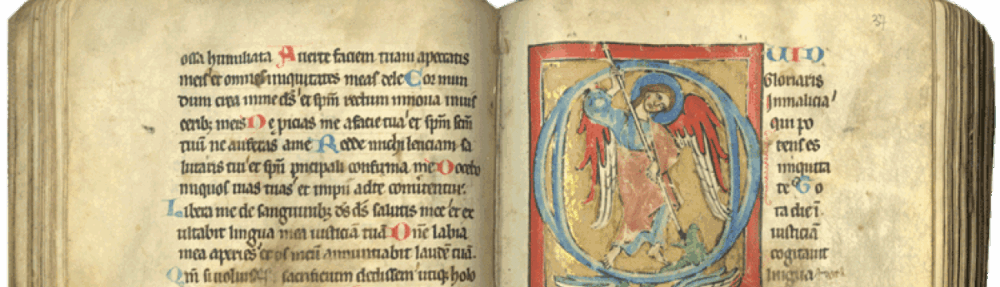
Bonnie Mak’s exploration and discussion on the life of the page, in its many sociocultural evolutions, provides a starting point leading into how to think about the forever changing ideas of the page. While the construction of the page has transformed from scroll to codex and codex to digital, the page remains the integral form of communicating in society. In her introduction Mak writes, “The page hosts a changing interplay of form and content, of message and medium, of the conceptual and physical, and this shifting tension is vital to the ability of the page to remain persuasive through time” (5). Like the book, the page has an equally important history that requires intentional exploration in order to make ruminations about its future, especially as we shift towards a digitized culture. By analyzing the page in detail, as we have begun to do in our first half of the course, it brings meaning to the materiality and the form it takes.
From a modern perspective, the form of the page in web browsing takes on an identity that places algorithmic code as an equal to the stability once introduced with the printing press. Mak writes, “… the advent of the printing press heralded a new epoch in the diffusion of knowledge because a text could apparently be ‘fixed’ and replicated with no degradation” (5). In the digital era, the page is now crossed as an interface that invites the reader’s thoughts and even instant engagement. The latter is the most glaring difference between the technologies of printed and digital works, but the on-screen page serves the same purpose which is to communicate with with an audience. By recognizing that the space of the page historically ties together cultures, it leads to better utilizing the advancements that are enjoyed today with the contemporary interface of the page.
Wonderful blog post that locates your insights in the text and then pushes to arguments about why it matters. But you are also questioning how this learning about the page, and this media archaeology, matters to thinking critically about contemporary webpages. This is very good work. I invite you to consider thinking further about this topic in the final project. If you’re so interested, I can suggest some readings and will certainly bring in some slides on Thursday to facilitate this thinking. Great work.
I would thoroughly appreciate any suggested readings, Dr. Pressman. I think I will further my thinking in this and hopefully craft it into the final project so thank you!