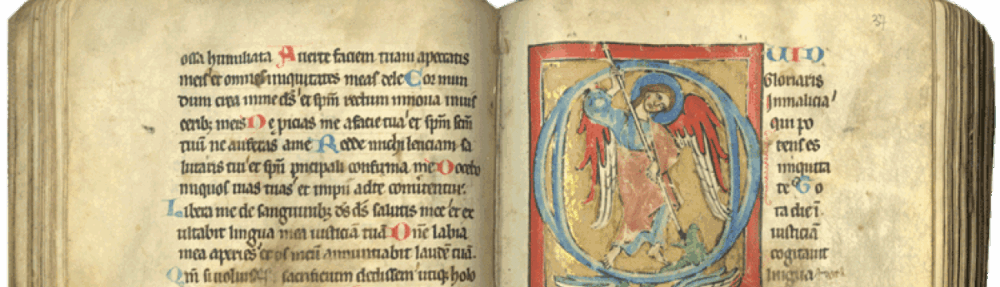
Chapter 4 of The Book is titled “The Book as an Interface”, which is something I had never thought of before. Which, is a common feeling that I’ve hand while reading this book. When I think of the word interface, the first thought that comes to mind is user interface and user experience design. I have always associated the word with computers and software. A quick search tells me that interface is defined simply as “to interact”, which helps me understand the chapter better. Borsuk spends a good amount of time showing how different types of electronic devices and computers were based on and built off of the book. A notable section reads, “To change the physical form of the artifact is not merely to change the act of reading … but to profoundly transform the metaphoric relation of word to world.” This combined with the discussion in last weeks lecture, led me to the realization that words do have meanings. E-readers were modeled after books for no other reason than a desire to be familiar to users. I have said the word “page” in terms of websites and webpages and I have never once made the connection between a page of paper and a website. It seems so obvious looking back, as to the reader, it isn’t the page that’s important rather what’s on the page. They are both ways of displaying information, and describing it to people unfamiliar to the web by saying “Think of it like a page” makes a ton of sense.
These intentionally made connotations have been forgotten to time. Desktop, window, tab. I may not be a linguist, but I’m a little disappointed in myself for not making the connections sooner. It’s another instance of not viewing the computer and internet as objects themselves. I spent so long looking through the screen that I never really looked at it and thought about what I was using, and how software was limiting what I could do.
I also wanted to touch on the Internet Archive and the Wayback Machine, as they are things that I personally use. I have read many books, mostly for class but not always, on the Internet Archive, and I’ve used the Wayback Machine to find old websites. I didn’t know very much about the history of the website, and I found it interesting to learn about how they acquired their materials. Borsuk writes, “Not only did the Archive prioritize not destroying the books they scanned, the process of handling so many, coupled with the constraints of copyright, led it to take the surprising step in 2011 of starting a physical archive for them.” At first, this seemed a bit counter productive. But, after reflecting, I’ve realized that the internet doesn’t last forever. Well, I’ve always known that. I’ve used various different archives on the internet, such as the Harry Potter fanfiction archive, which saves stories that were deleted by their original authors. But anything can happen to a website. Having the physical books, and not destroying them in the scanning process, means they can reupload or reprint them as necessary.
Yes! The digital surrogate is a vessel of convenience but is by its nature risky and ephemeral. In addition to being unintentionally lost, it is also susceptible to intentional removal or alteration. On top of that, so much of our digital world has been assimilated into a technofeudalistic hierarchy that mediates ownership through accounts, paywalls and subscriptions. The loss of physical media has turned out to be the loss of ownership, but even worse, has enabled companies to innovate ways to make us pay far higher sums than we’d ever consider reasonable on a physical price tag to maintain access to things we can’t actually possess.