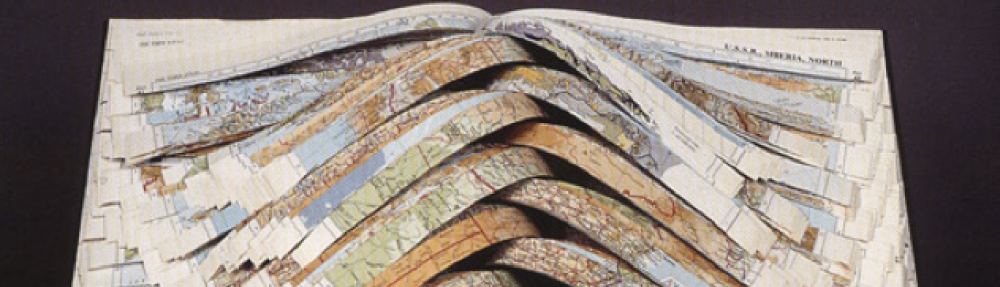
As Borsuk describes the form of the book which we are most familiar with, the printed codex, she prints in the book, “In addition to minute differences in the binding, each book copy will contain marginalia and other residues of reading that adhere to them thanks to their individual history of ownership and circulation. These are part of the copy without being part of ‘the book'” (76). In advent of the printing press and mass production of books, the idea or thoughts within specific copies of the book are what separated each individually in terms of content.
Now, I know this seems like common sense. But even five hundred years ago, things were the same as they are now. Today, we are bonded by an overwhelming sense of commodification in every single product accessible to us. It extends past books. It extends in the same tools we use: electronics, desks, books, pens, etc. What the book does in its many forms though, is it allows the symbiotic nature of humanity to flow from each person to the open pages. Borsuk writes, “Open margins left space for active annotation– a visible and tactile engagement of mind with page” (89). The most overlooked aspect of the mass printing availability is that it allows books to become a tool that is unique to each person that interacts with it. Print gathered content and disseminated it in an accessible manner, but more importantly it sparked the loop of thinking alongside the machine known as the book. As books became personally owned, it was the marginalia that further separated each copy that was distributed. It is the readers thoughts that work alongside the author and the book to form intuitive ideas and meaning.
Great point about the role of marginalia– and how it develops and how it can be read. I’d like to pull out your blog post tomorrow and have you lead us in conversation about the importance of taking seriously marginalia as a readerly practice and as an aspect of the book. Good work here!