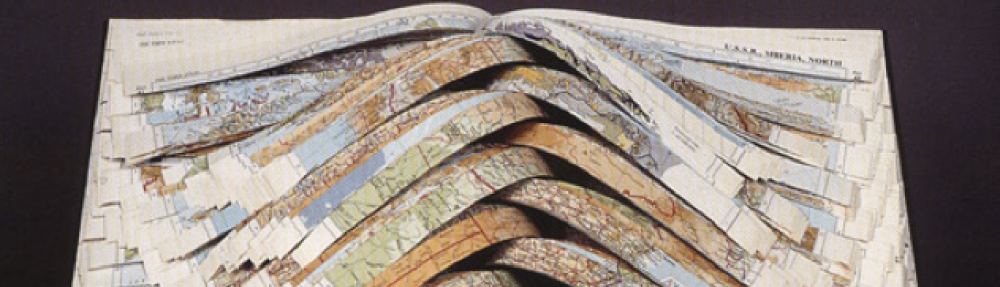
There are many affordances to e-books and digital texts, but what are the drawbacks? Reading digitally changes the intimacy between text and reader, creating more distance between a person and what they read. The power of the codex is so effective because it is fixed; once it is printed, it cannot be changed. However, that begs the question: Is digital text fixed in the way codices are? Or is there a way for them to be tampered with?
We live in unprecedented times of censorship and deletion. Is there a way the government can tamper with digital text to benefit them and their agenda? As seen in the text, “Before considering contemporary e-readers, we need to explore the development of the e-book they support, which changed the relationship of word to world by turning text into data, fundamentally altering its portability. texts’ digital life unteathers it from any specific material support, making it accessible through a variety of interfaces.(Borsuk, pg 203) This quote’s use of the word, unteather, supports my argument that text is no longer connected or tethered to tangible material. Thus, making it an unreliable and unfixed medium.
The codex can always be relied on not to change. You set a book down, and the contents will never change. Digital text, however, ceases to exist once you turn the computer off and is susceptible to change or tampering. The word relationship is also powerful here, stating that the relationship between word and world has changed. Text is now data, which is a part of a much bigger online picture. The relationship between the reader and the word is now more distant. A reader is no longer fondling the page in an intimate intanglement, grasping new information with every page turn. This all affects the way a person will read and connect with the text. Thus, creating a new world of taking in information.