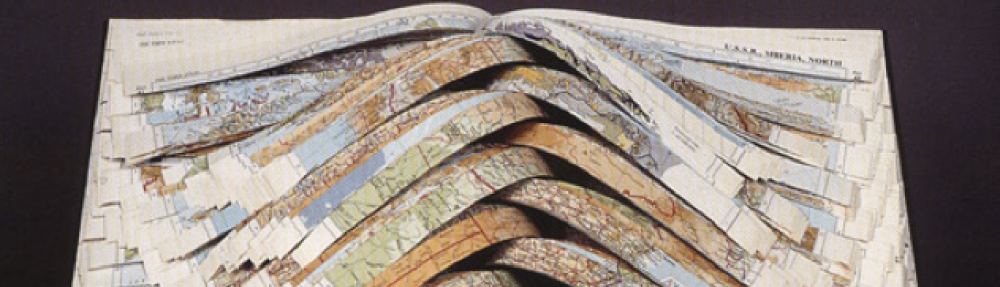
When considering what a bibliography was, I assumed it would be a sort of contextual listing that could give context into the written contents of a book, similar to the bibliography seen at the end of essays. But, as The Bibliographical Society of America states on the About Page, “Bibliography is much more than your ‘works cited’ page.” A bibliography examines and assesses the physical aspects of a text and how those aspects relate and reflect the time the text was made.
The art of bibliography is composed of numerous practices like enumerative, systematic, analytical, critical, descriptive, historical, and textual, as Terry Belanger mentions. All of which aim to decipher a book’s physicality and history. When reading how bibliography is approached and interacting with the examples on the website, I began to understand what sort of questions one must ask in order to really understand a book. Things like: What are the physical aspects of the paper used? Are there any splotches of ink from messy printing or etchings in the paper from whatever machine was used on the paper? What’s written on the page other than the story?
I thought it was interesting when interacting with the second sample of The Bibliographical Society of America’s About Page, which points out that “anonymous print production is a common occurrence, especially when the content is political.” When considering how political content was published anonymously, I thought about how today it’s almost virtually impossible to make any statement without a digital footprint being left behind. Though many posts may go under the radar as millions of people make daily posts, simultaneously, with enough care from one netizen, whoever made a certain post or appeared in some video can be traced, along with a good chunk of their personal history. This makes me wonder how modern bibliography is being approached today, especially because G. Thomas Tanselle, in Bibliography Defined,” mentions that “traditional bibliographical approaches are also now being applied to objects carrying electronic texts.” Reading how books can be explored outside of just their written content, though it’s most certainly considered, has gotten me excited to attempt creating my own bibliography with something from Special Collections.