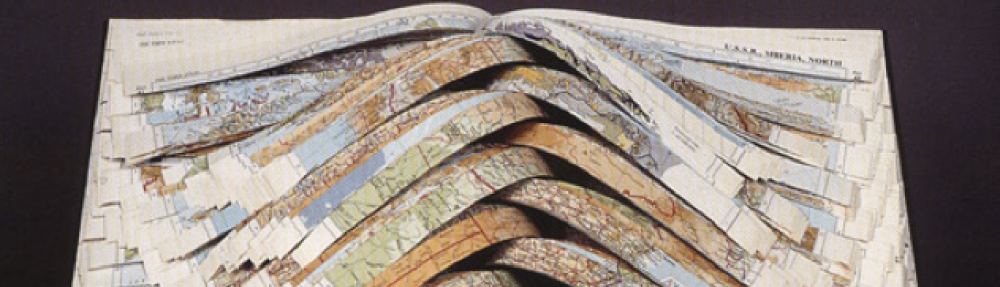
Amaranth Borsuk’s second chapter, specifically, “The Body of the Book,” delves into the differences between printed books before 1501 and after. The former was known as incunables. A word used to describe the period just before the commercialization and efficient mass production of ‘books’, a time when each ‘book’ was still unique and still handcrafted to an extent. Today, when a new book is published, we have mass printings of it, and each one is identical in terms of content and binding.The process and end result was more intimate as it was a laborious task and there were many ways in which you could personalize the text and there was this idea of the residues of reading. This also created a strange paradoxical effect with the press and it production of ‘the book’. It created a clear distinction and redefined its terms forever.
Today, when a new book is published, we have mass printings of it, and each one is identical in terms of content and binding. Even more so after ISBNs were created, any two copies became interchangeable. This is the main idea in this chapter: today, the book, as a physical object, is just a uniform, mass-produced text. During the incunable period, printing was still very much in its unrefined, rudimentary form: “Scholars of early modern books make a distinction between a ‘book’ and a ‘book copy,’ since each codex produced from a given print run will be unique in its circulation, history, and materiality.”(Borsuk 74).
The printing process back then was even more intimate too. The wealthy would hire illuminators to personalize their prints further with gold or highly elaborate illustrations, therefore, making the ‘book’ a piece of luxury and a sign of wealth/social status. This made each ‘book copy’ a unique and even archeological artifact with its own unique personal history, “In additon to minute differences in the binding, each book copy will contain marginalia and other residues of reading that adhere to them thanks to their individual history of ownership and circulation”(Borsuk 76). The marginalia and what Borsuk brilliantly calls ‘residues of reading’ perfectly encapsulate an incunable copy as a snap shot of the process in that specific moment and how these ‘residues’ “are part of the copy without being part of the ‘the book.'” (76)
A less obvious point is how the mass proliferation and production of printed copies that were nearly identical allowed for the author’s ideas to spread like never before, but it also inadvertently highlighted everything outside of that printed text. The marginalia, residues of reading, provenance marks, and accretions all became important to these highly annotated/illustrated copies, meaning that the identically mass-produced and plain-looking copies lacked. During the manuscript/incunabula era, each text as a whole was unique; ‘the book’ and its contents were one. But the press redefined the terms of the book, it essentially created the distinction between the content and its container. This allowed for us to think of the book as an abstract piece of content separate from its physical body.