For this extra credit blog post, I will be documenting and analyzing my experience exploring the San Diego Central Library with my partner. I did not go into the library with the intention to find a book. Rather, I had gone in the past and wanted to show my partner what it was like. To connect this to the concept of bookishness, our exploration of the library was dissimilar from the experience of exploring other places in a fundamental way. While exploring the library, there is a feeling of immersion into a sacred place. Everything felt valuable–like a relic.
Catalog Cabinets
One of the first things we saw were card catalog cabinets. These contained cards which could point you to something which was of interest to you. I would imagine the experience of finding something through this catalog differs from looking it up online because you come across significantly more information “accidentally” as you look for the card which is of interest to you.


What was especially interesting were card cabinets which explicitly encouraged exploration, such as the “curio card catalog.” This catalog was on the penultimate floor of the library–right under the rooftop floor. The placard for it defines a curio cabinet as a “specialized type of display case for presenting collections of curios, interesting objects that invoke curiosity, and perhaps share a common theme” from Merriam Webster.

I forgot to take a picture of the Curio Card Catalog, however, you can see a portion of it in the picture to the bottom right. Evidently, it is designed to emulate the experience of looking through a physical library catalog. There is implicit message that while, yes, online catalogs may be more efficient and easier to use for many people, the experience of browsing a physical catalog is completely different. The curio card catalog serves to encourage the observer to view catalogs not as a means to and end, but a “display case for presenting… interesting objects that invoke curiosity” (Merriam Webster).


Special Collections
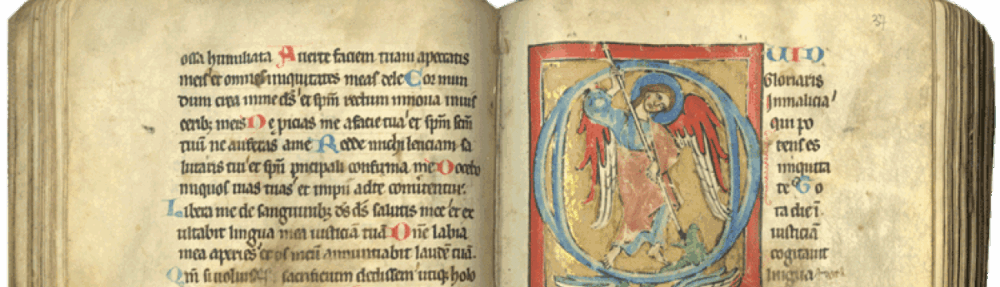
The Special Collections section of the library was like a museum. Many books were out for display with placards providing a brief description. Given that I had come here before, I was familiar with some of the material. To my surprise, however, I was much more familiar with the material than I once had been.


