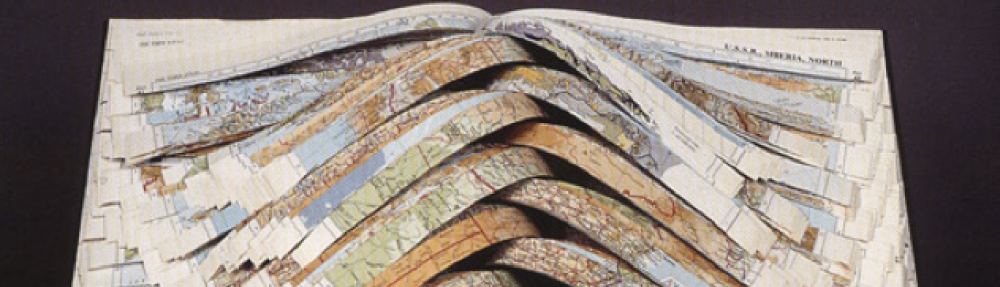
This past week, when we met in special collections, we were asked to determine whether the seven items were books or not. Quite frankly, I didn’t know how to consider them literally, so I assumed they were all different forms of books. However, I am glad I was able to hear from other classmates on their ideas of books as it opened up my mind to how a physical book differs from a conceptual book.
In Amaranth Borsuk’s The Book, “The Book as Object”, there is a distinctive feature of a physical book that pertains to the history of written text. While Frederick Kilgour considers the idea of a book to be a form of disseminating human knowledge (2), the physical book doesn’t arrive until thousands of years after the first documentation on tablets. And, even before books, the invention of the Alphabet changed the way Western cultures write. Rather than using pictographs or symbols, we now use letters in a variety of combinations to make words and ideas and sounds.
However, the one thing I would really like to talk about is the idea of the accordion. When we were in class on Tuesday, we observed what we might want to consider a book but wasn’t actually what it was called. It was one of the seven items with connected pages that could come out of the original cover but not go out of order. I considered that a book even though it wasn’t the most traditional, only to discover through reading Borsuk’s first chapter that what we observed was actually an accordion. Used centuries ago, was this accordion shaped codex of disseminating information in China (Borsuk 36). I found this very interesting to learn considering I couldn’t pin a name on what we looked at in class.
I guess I would venture further to consider what the other items might be truly called according to historical perspectives.