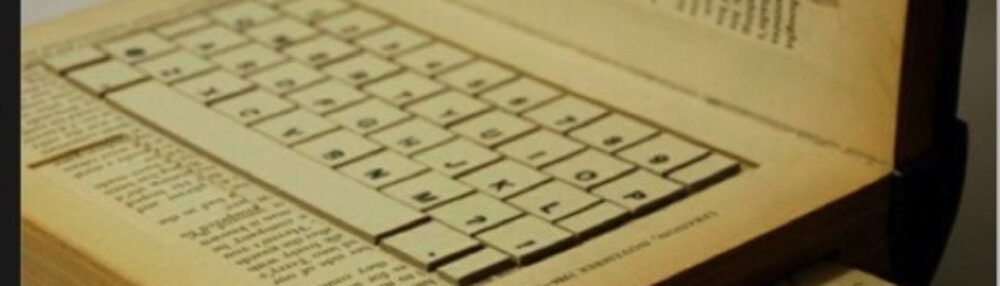
The book is an expression of ideas that are formed by the desire to create, share, and work. Each facet and piece of the book is used to express the ideas and creativity of an author, from it’s covers, which can depict great artist and introduction, to its pages that might be beautifully illuminated, and even including its fonts and included images. The book is a canvas for words and information as well as a stage for an author to fully express their point of view where they can connect with their indented reader to the best of their ability. Books in through this purpose are, as Borsuk in, The Book, writes, “always a negotiation, a performance, an event.” (147).
The book used and viewed as an idea, rather than just as an object allows for a broader and more creative use of it as a medium. It allows author to use every surface of the book for their message and tone, allowing the reader to read from the book before ever opening it, when the book is an idea the reading and comprehension of it begins at first glance, a very first touch of the binding immediately introduces the authors perspective and subject. The book as an idea also allows for more inspiration for authors writing within it, being able to take the ideas provided by the books’ shape and form into fuel for their stories, like as done by author Stephane Mallarme, who formed his story on the page like an actual shipwreck, making readers as they turned the pages, “complicit in the shipwreck.” (129). The book as an idea becomes ideas, a tool for inspiration and evolution of the books presentation and form, idea allows the book to change, not forced into a rigid and single standard shape.