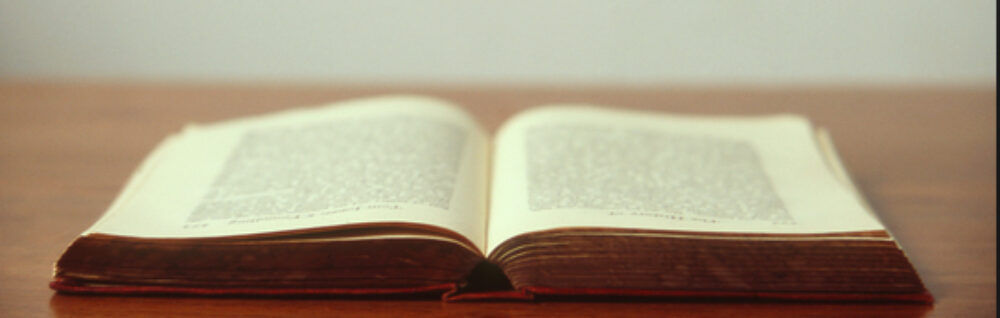
This week’s readings, especially Bookishness have forced me, in many ways, to return to the very first blog post of the semester in which described my own relationship to the book. Books and bookshelves have long been a staple in my life, and I have lugged around the same collection of books from apartment to apartment to house to house and in six or so moves left and right across the country. I feel very much like the collector in Walter Benjamin’s “Unpacking my Library.” I’ve been collecting first editions and rare books for a long time, and I’ve come to them in myriad ways. Often, it is books that somehow, bafflingly, garner “no interest, no bid, and the book was put aside,” but unlike Benjamin’s protagonist, I did not wait but leapt at the opportunity to find a book “in the secondhand department and [benefit] from the lack of interest” (65). I once found a 1929 first edition copy of A Farewell to Arms in an antique store for $12. On the free books shelf in the lounge in the Arts and Letters building I have found, rather recently, a first edition, dust jacketed copy of The Things They Carried, a first edition of Anthony Swofford’s memoir Jarhead, and a few weeks ago in a thrift store in Idaho I found a signed (!!) first edition copy of Anthony Doerr’s Cloud Cuckoo Land for four bucks.
These things carry immense value to me beyond the monetary. In large part, this is due to the culture of bookishness and the time I was brought up in. For much of my adolescence the conversation surrounding print’s impending death was very loud and very present: “A history of normative values associated with literary media … transferred to a new site of conflict: print versus digital” (Pressman 16). As a young boy you naturally must choose a side in any argument or debate or conflict, and so I chose print. In the midst of this conversation, it is important to note that I grew up extremely rural and had dial-up internet until 2012, which very likely swayed things for my mother and I, making it impossible to quickly download files, play games online, watch YouTube, etc. We did not even get cell service at the house. You had to walk up to the top of the hill for to get bar or two.
Regardless, I became a staunch supporter of printed media. I begged my mother for a Sports Illustrated subscription in the misguided belief that I could be the one to stave off the demise of the printed magazine. “If they don’t print it, and only post it online, how will I read?” I remember lamenting.
“The history of the book is about power and politics,” as Dr Pressman writes in chapter one of Bookishness (33). And, at the time, only the powerful and the well-off and the urban could afford the kind of all-the-time connectivity we saw have such a rapid uptick in the aughts and 2010s. I was none of those, and so for me, printed media became a thing that I consumed because I was poor, because we could not afford then the fancy newfangled things that people were claiming would upend the world order. It is interesting that this has now flipped on its head, that many of the poorest in this nation and around the world have access to internet and the technologies that were once unobtainable. That now, following the “death” many in the news once warned us of, print is doing just fine. It is not the same as it was, and many magazines and publishing houses have shuttered, but there is still a market for these things I once feared would become obsolete.
Through all this, I have held on to these books (and added many more), though their meaning has changed over the years, and, like Banjamin’s protagonist, these books have come to me by many avenues. There is a level of intellectual projection done by them. The crowd I often find myself surrounded by is frequently shocked that I read at all, let alone that I am a writer. There are memories in them. Many were passed down from my mother, who stole them from the LD Bell High School library in 1979. Her name is still on the card on the frontispiece. They have been gifts from friends, colleagues, family members. I have found them on the street. I have spent amounts I wouldn’t like to disclose on a few of them. I have stolen others from friends’ libraries. I have written some of them. My friends and my teachers have written others. I have come to them or they to me in many ways, but what is central is that these books remind me of a world into which I was born and which now seems as if it hardly exists at all.
The digital age has completed its ascent, and I latch on to the book out of nostalgia, familiarity, or fear. There is something comforting in looking at their many-colored spines as I write this. I could not have that same comfort on a device, no matter how they rearranged the front screen of the Books app. All of these varied feelings simply cannot be applied to a phone, to a screen, something that when we buy it, we know will someday soon become obsolete, because what the digital grants us in access it strips from us in permanence.
Will my grandchildren one day fire up my laptop and go through my files, watch some of the movies I have downloaded, play some of the computer games? Hell no. Let’s not lie to ourselves. But I do like to believe, if only because I have done it, that one day they might lift a book out from the shelf that was once in their grandfather’s collection, and open it and find his name and turn the same pages that my hands have turned. There is some kind of immortality in that, no?