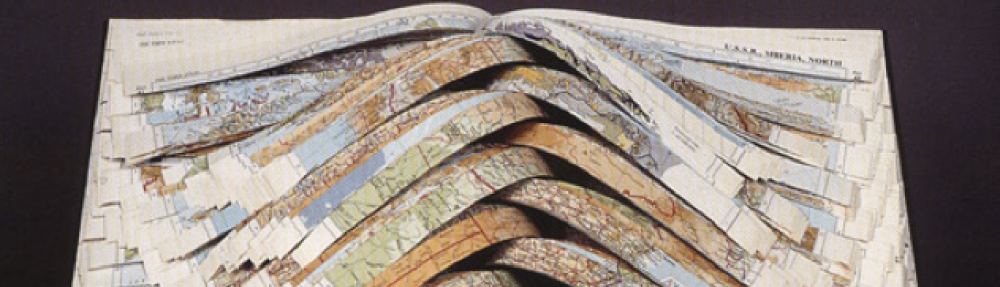
What seems to be constantly simmering under the surface of every discussion of the history of books/the written word is that, although we generally view these things as sources of knowledge or history, they cannot be extricated from the history itself. And it seems to me that the history of the book is the history of everything. Borsuk writes in chapter one of The Book that we must “think about the way [the book’s] materiality is both a product and constituent of its historic moment” (34).
I think this is best exemplified when thinking about the early history of the book, where Borsuk details that the first earliest versions of paper–clay tablets and papyrus scrolls–were born of the rivers that the civilizations that birthed these things were centered around in Mesopotamia and Egypt. As human civilization evolved and animal husbandry went from smaller to larger operations, people were spread more into the countryside where they had the space to raise livestock. As a byproduct of that husbandry we saw the rise of vellum paper. With widespread farming came production of flax, and ultimately, linen which is still in use today as a paper product.
If we continue to chart the evolution of civilization in tandem with the book, we can often see the values of the society the book was produced in not only in its text, but in the actual arrangement of the physical book itself. So each book sends a message before it is ever opened. If a book must be easy to transport and withstand the elements it must be contained in a hard cover. If one wishes to project wealth and status today they may have a library of many leather-bound books. Bibles and Qurans are both printed on very thin paper, both to keep down the cost and the weight for their end users. Cheap, mass-market paperbacks exploded in popularity in the mid 20th century, coinciding with the massive fame authors of the time period enjoyed and in tandem with corporations having vested interest in cost efficiency and profit over quality of the product. If the work is the same but the book is printed cheaply, that drives up revenue for the publisher, but consumers are left with an objectively inferior product that was not built to stand the test of time.