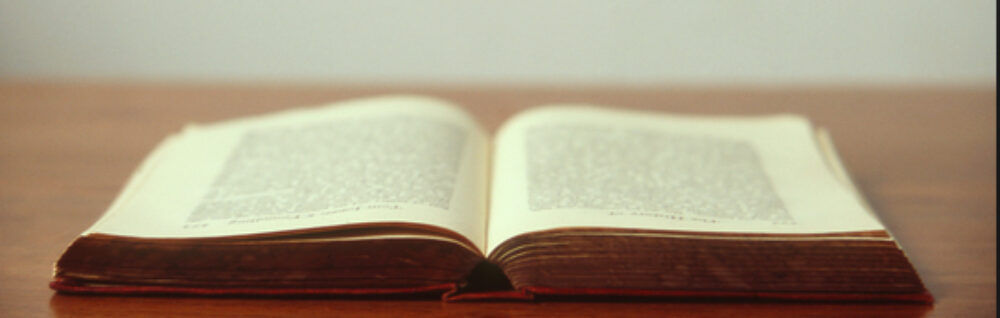
Dr. Pressman starts off the first chapter with the statement, “we no longer need books” (pg. 1) in the original sense. A lot don’t use them solely for their original purpose anymore; to explore or have time with one’s thoughts thinking about the book in context. And if we intended that use, I guarantee that we would have still bought books off the shelves because of the cover, thinking that it looked pretty. The clothbound or highly illustrated ones at the Barnes and Noble personally draw me in because I like the sophisticated or elegant look of the book. That is me prioritizing aesthetic and materialistic value over the purpose of the pages I’m buying.
The fetishization of books has become an increasingly widespread phenomenon. Everywhere I look, books are being used as content for material objects, titles being printed on everything like a constant ad. They target this need for a reputation of being knowledgeable rather than offering knowledge itself. On page 8. Dr. Pressman brings up how books are being reshaped and questioned through art, “In bookwork, the book is presented as a physical thing of beauty, complexity, and fascination, not just as a storage container for text. We can’t read the words contained in Pamela Paulsrud’s Touchstones or in Brian Dettmer’s New Funk Standards because pieces of the pages have been cut away, shellacked, and otherwise altered Garrett Stewart identifies bookwork as a distinct genre of contemporary art in which the codex is “demedi-ated,” its medial function stripped away to become sculptural and aesthetic.” Touchstones made me think about how in the modern age, we strip away the knowledge and common form of the book and turn it into a form of paperweight, using the book as a knickknack to showcase what knowledge we want to be seen as having. It reminds me of those fake storage containers that pose as books that people decorate their houses with; I’ll insert a photo. We fetishize books to the point where we don’t care to even physically have the pages of knowledge to go with it anymore if it has an appearance like it. We now view books and anything with their likeness as an accessory to a collection about us, centralizing this focus about ourselves and self-image.
