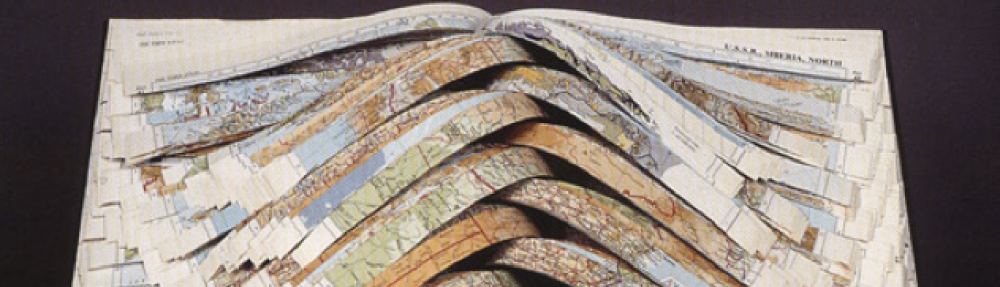
After reading Jessica Pressman’s excerpts from Bookishness: Loving Books in a Digital Age, Dr. Pressman states that “digital images posted to social media now serve that purpose,” revealing how our relationships with books have evolved in the digital age. Books have always been more than just vessels for text. They are extensions of our identities, emotional narratives, and lived lives. What used to be shown through physical books on a shelf is now shared digitally through book photos, reading posts, or online quotes. These digital traces keep us feeling “close” to literature, even as more of our reading and writing happens online.
This idea connects to our time in the Special Collections last Tuesday, where we explored the Larry McCaffery Papers and other literary archives. As we sifted through boxes of physical manuscripts, annotated texts, and personal letters, we examined tangible extensions of Larry McCaffery’s identity. These were marks of McCaffery’s life displayed through various textual forms. Each marginal note, age-stained yellow page, or folded letter carried a personal and material intimacy that evinced the notion of how deeply intertwined books and identity can be. Pressman’s ideas and beliefs make me think about how future archives might capture this same intimacy when so much of our textual engagement now exists digitally. For upcoming generations of scholars and writers, archives may no longer be built around boxes of letters and manuscripts but rather online folders of emails, cloud storage links, or social media feeds.
Anna explained that part of the archiving process already includes this digital shift. She described how the library receives tangible archives from scholars, carefully scans each item, and uploads them into a digital archive database. This process not only preserves the physical materials but also makes them more accessible to future researchers. It also blends the tactile history of literature with the evolving digital landscape. The “bookishness” of today’s academic and literary life may look a little different than it used to. However, it still extends our identities as physical books once did. This shift complicates what it means to be “near” to a book or to literature itself. The digital archive might preserve our identities through a screen instead of paper.


