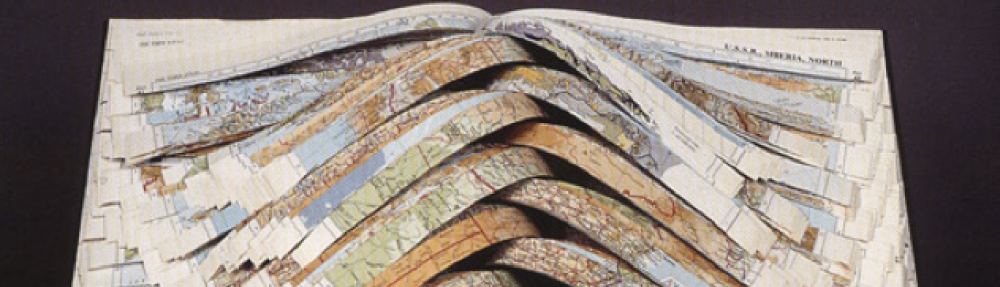
My final project, “The Life of a Book,” explores how a physical book becomes more than a container for text. It becomes a medium that stores traces of everyday experience and reflects moments of a reader’s life. Over the course of my semester abroad, I noticed that the book I brought with me slowly turned into a quiet companion. It rested beside me on long flights, made unfamiliar rooms feel warmer, and appeared in peaceful moments without me purposefully arranging it. This project argues that a book can function as a memory device that absorbs the rhythms of a person’s day. Through a photo essay, I try to show how a book, simply by being present, becomes part of a lived story.
Walter Benjamin helped shape this understanding. In his essay “Unpacking My Library,” he writes about the intimate relationship readers form with their books. He explains that books carry the “stamp of their past lives” and that ownership is one of the “most intimate relationships” a person can have with objects. This idea resonated with me deeply because it described exactly what I was feeling. Benjamin suggests that books do not only store the stories written in them. They also gather stories from the hands that hold them, from the rooms they rest in and from the journeys they take. When he reflects on the pleasure of rediscovering his books, he hints that part of that joy comes from recognizing the moments he once shared with them. My photo essay visualizes this idea by showing the book in different environments and allowing it to carry the mood of each one.
For example, the image of the book on the airplane captures the sense of transition and anticipation that comes with traveling. It shows the beginning of a journey and suggests that the book has been brought along to witness it. The photo taken in a hotel room shows how the simple presence of the book can make an unfamiliar space feel more personal. Another image, in which the book rests on a balcony in warm afternoon sunlight, invites the viewer to see how objects absorb atmosphere and emotion. These photos demonstrate Benjamin’s belief that books have lives shaped by the moments they accompany.
Amaranth Borsuk helped me understand this even further. In her book The Book, she writes that a book is a form of “portable data storage.” She offers the idea that a book is not only a symbolic object but also a physical technology shaped by its material form. Borsuk reminds us that books have bodies. Their pages crease and soften, their covers fade, and their spines loosen as they are handled. Because of this, each book contains a record of how it has been used. This concept helped me realize why photographing the book made its presence feel meaningful. Through the lens of the camera, small details like the curve of a page, the gloss on the cover or a shadow falling across the surface become signs of its lived experience. The book slowly looks different because of the time it has spent with me.
In other words, my photo essay shows the kind of biography Borsuk describes. The book has its own life story, shaped not by what the printed text says but by where the book has traveled and how it has been held. This makes the book a physical archive of my semester abroad. It remembers the sunlight, the tables, the seats, the days and the quiet moments that surrounded it.
Jessica Pressman’s concept of bookishness offers an important contemporary framework for understanding this attachment. In Bookishness: Loving Books in a Digital Age, she argues that physical books take on new meaning in a world dominated by digital screens. She explains that people hold on to books because they symbolize closeness, comfort and identity. Even if reading increasingly happens online, books continue to matter because they create a sense of nearness that digital culture cannot fully replace. Pressman writes that bookishness is a way of expressing attachment to books and using them to shape how we see ourselves.
This insight helps explain why my project feels personal. During my time abroad, the book became a reminder of home and stability. Its presence comforted me in ways a digital device never could. It also became something I naturally photographed, almost without noticing it. This act reflects what Pressman describes. By placing the book into photos of my daily life, I was turning it into a symbol of identity and continuity. In a digital age, where images travel quickly and daily experiences are recorded through screens, having a physical book appear in these images feels grounding.
The choice to create a photo essay was important to the meaning of the project. Photography captures the physical presence of the book more effectively than words can. It reveals textures, light, wear, and placement. A photo shows exactly how the book sits in a certain place at a certain moment. This makes the book’s “life” visible. The format of a photo essay also mirrors the way Benjamin and Borsuk write about books. Benjamin sees books as collections of memories, and a photo essay becomes its own kind of collection. Borsuk writes about the book as a technology of storage, and the photos extend this idea by storing the book’s experiences in visual form.
The final image, where the book returns to a small bookshelf, completes the narrative. After moving through many places and days, the book comes to rest again. It has returned home, just as I eventually do. The image represents closure, but it also suggests that the book has been changed by the journey. It is now full of the moments it has witnessed.
Ultimately, my project demonstrates that books are not only objects to read. They are objects that share our world. Benjamin helps illuminate the emotional relationship between readers and their books. Borsuk explains the material and technological aspects of the book’s life. Pressman shows how these attachments continue to matter in a digital age. My photo essay brings these ideas together by showing how a book becomes part of a personal story through simple, everyday presence. The project conveys that books carry pieces of our lives with them, even when we are not aware that we are giving those pieces away.