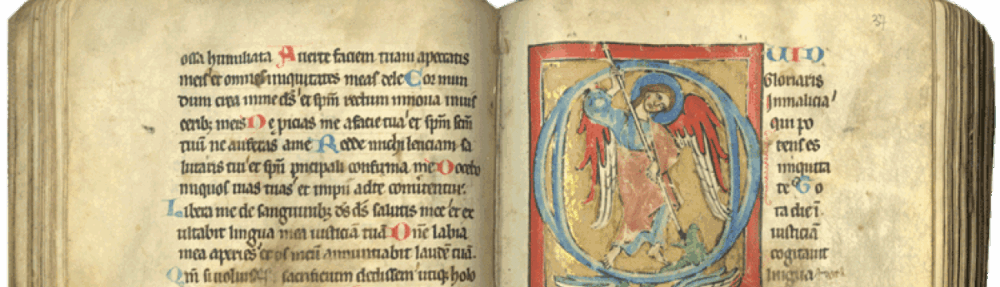
After reading Borsuk’s chapter two in The Book, I was honestly super intrigued by the way they were discussing the book or codex as a body while describing each and every aspect of it like a body part. I also love how this part of the book transitions into the next sub-chapter which is how we as a society created some sort of intimate connection with this object that is not even alive. These two connect so well with each other since we see the book as a body and it is a clear representation of how we created such a close relationship with books.
Pretty wild to describe the book as body parts because I don’t believe a random bystander who doesn’t read occasionally would look at a book in that way besides it looking like, well, a book. The intimacy of not only looking at a book as a body, but as well writing down notes in the margins which then add another layer of relationship with the book is another telling sign of having a personal relationship with the book. The printing press creating these margins allowed for people to start spending more time with the book and having a personal relationship due to how important they viewed the content. This would then make every copy ever made more and more unique as time went on.
“The early years of printed codex thus mark both an important technological shift (the mechanical reproduction of text) and a philosophical one in terms of how we relate to books”(Borsuk 84).
This line fascinates me so much because it perfectly describes everything that I talked about earlier and of how we as humans have created such a close relationship with something that isn’t literally alive, but we do believe it is alive in one way or another due to how we react to the book since it feels as though we have a conversation with it as we continuously read it. So now it makes me wonder sometimes if our books are truly alive in one way shape or form because usually, we have intimate relationships with entities that are alive and not as much with things that aren’t alive. Our obsession with books is truly something that I never thought of especially when I look back to previous class discussion on how Professor Pressman discusses the fact that we as a society have really fetishized it to such a far degree and so far, that we have ended up tattooing it permanently on our body.
One more thing that I believe adds another layer on top of the intimacy with books is the fact that people back then would pirate books since they weren’t able to have many copies or that it may be too expensive. You have to be obsessed with a certain genre, author or story type to go out of your way to do illegal things to obtain such literature. My only question now is how far have we fetishized this inanimate object and second, how much further are we willing to push that line simply because we love books?