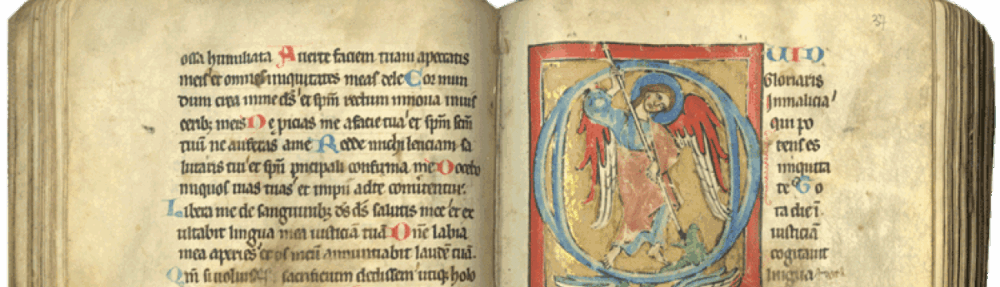
While reading chapter 2 of Amaranth Borsuk’s The Book, I learned many things about the printing press that I did not know before, particularly because I didn’t know much about it. I knew the name of Johannes Gutenberg, but I knew nothing about him or the machine itself. Reading about how the machine worked was really interesting! I also appreciated the addition of Gutenberg being important for European book printing, but there already had been some version of book printing in China and other areas. Lots of cultures, and people within those cultures were inventing their own ways to speed up book production.
What I found the most interesting was the section on copyrights and intellectual property. I never thought about it, but with older books being used as religious texts, and especially since they were written by scribes, the author wasn’t as important. It’s hard to imagine from the modern perspective. The shift occurred because of the printing press, which is when books became more about the content than the object (pg 100). The artistry began to matter less and less, and even I grew up being told not to judge a book by its cover. People could purchase, own, and read their books, and because of how fast the publishing industry grew it became necessary to create copyright and public domain laws. I don’t think this shift was very important to the masses. After all, books were bought for their content. And the modern book publishing methods would be considered miraculous to those even 100 years ago. I just think that mass production can sometimes make something lose what made it special.
I’m glad to see you learning things you did not know. I would like to see you use the blogs to practice, explication and analysis, to focus on an actual quote and dive into it to develop your thinking about it.
Hi Alexis, I was also interested in the mentions that The Book makes about copyright, so many things that The Book talks about are things that I would have never thought about or looked at closely as part of book history. The shift from books as object to content pioneering this change centuries after the first tablets and written word were created is extremely surprising. Thank you for sharing!