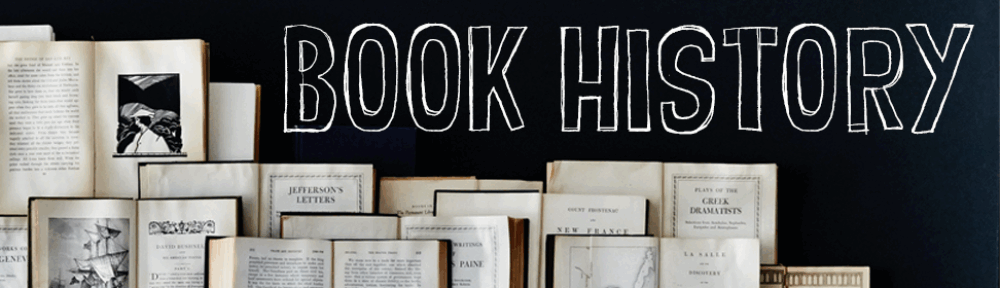
My interpretation of the book has shifted—not only is it a materialistic characterization of the physical qualities of the book itself, but also a vessel that reveals society’s underlying values, whatever those may be at the time it is written or read. The book is ever-evolving, adapting to social trends; in the 1600s, it was viewed as a symbol of status, power, and control, as only those of the higher orders of society were able to read and interpret texts. Those views have greatly shifted—people rarely read today, and those who do often romanticize it for the prestige that has become intrinsic to the book—echoing that the book is dependent on our values. Therefore, the book is not merely a physical object but a cultural artifact that responds to and acts in accordance with our needs. It is a material form that reflects our values and technological advancements, a medium that can serve as a weapon, a sacred text, or simply the bread and circus for a society too self-centered to recognize the value and worth of words. Therefore, the book cannot be a fixed object but one that embodies our social structures, operating from within rather than independently; the book allows us to engage with the world in alternate ways. We are all interconnected, sharing the same experiences, collectively challenging our ideas and beliefs, encouraging critical thinking and awareness. As Amaranth explains, “we might examine the book as what scholar N. Katherine Hayles calls it a “material metaphor”, through which we interface with language and which in turn alters how we can do so” (Borsuk 141); language is not static, it bounces between different signifies/signifieds, it allows us, the readers, to mediate between, word, text and meaning– in a manner, the book not only represents our social values as I previously mentioned but also redefines our ways of thinking– influencing how language is transformed through an amalgamation of social-cultural apparatus that interjects in our relationship with words and text.
BOOKS!!
ECL 596. Fall 2025. Professor Jessica Pressman with Anna Culbertson