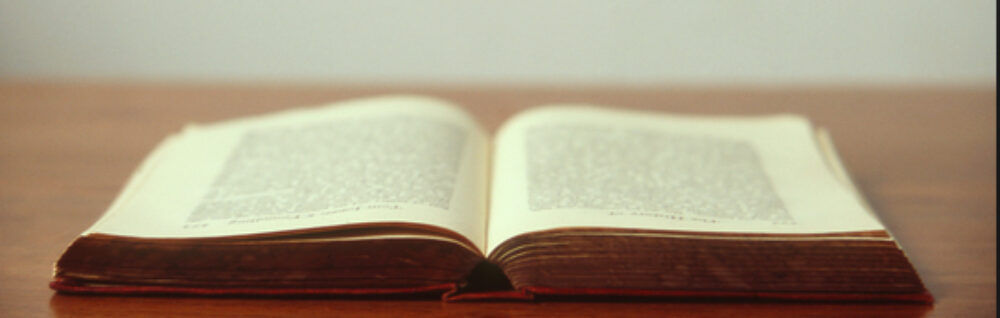
Books have always served as a source of comfort and nostalgia in my life. As I’ve grown older, my childhood joys mirror much of my adult hobbies as I still love to read on the beach or before bed as much as I loved having books read to me. Something that has continued to interest me throughout our course so far is the concept of preciousness surrounding books that most of our class expresses experiencing. With daily life and academia continually evolving into a more digital world, it is important to consider how our bookish behaviors have evolved or resisted the shift from pages to screens.
In considering the book amidst media studies, Dr. Pressman defines bookishness as “the book is figured within literature an aesthetic object rather than a medium for information transmission, a thing to fetishize rather than to use,” (Johns Hopkins Guide to Digital Media and Textuality). Through this definition, we are compelled to view the book as an object of aesthetic and symbol. Due to the historic exclusivity of the book, the book has become a status symbol of education and wealth and it may have more significance in society as a visual signifier of these notions than as a tool to access the knowledge inside of it. Though books have become more accessible in the digital age through e-books and audiobooks, the symbolism of possession has not diminished. This can especially be seen through online trends and the rise of Internet subcultures like “BookTok” and “BookTube” where creators show massive libraries or book hauls often without including any critical response or review to the material of the books presented. That’s not to say that books can not be read for leisure as Michelle Levy and Tom Mole’s introduction to book history reinforces, however, these platforms exemplify how the book has continually grown to be a fetish object.
Hey Avery, I really liked your post! I totally relate to what you said about books being a source of comfort and nostalgia . I still read before bed too or to calm down from a busy day and it feels kind of grounding. Your point about books being seen as status symbols was really interesting, especially when you brought in BookTok and BookTube. I’ve noticed that too, how people sometimes show off stacks of books without even talking about what’s inside them, especially for example on Pinterest or for a instagram story. It made me wonder, do you think that kind of display takes away from the actual act of reading or is it just another way people express their love for books?
Hi Avery, I really liked your point about how books are not only read but also displayed as objects. It made me think about how often people post photos of their shelves or “book hauls” online without ever talking about the content. In a way, the book turns into a kind of decoration or even a performance of identity. I guess what struck me is that this hasn’t disappeared in the digital age but maybe even increased. Just like you said, it feels like the act of showing a book can sometimes feel more important than actually reading it.