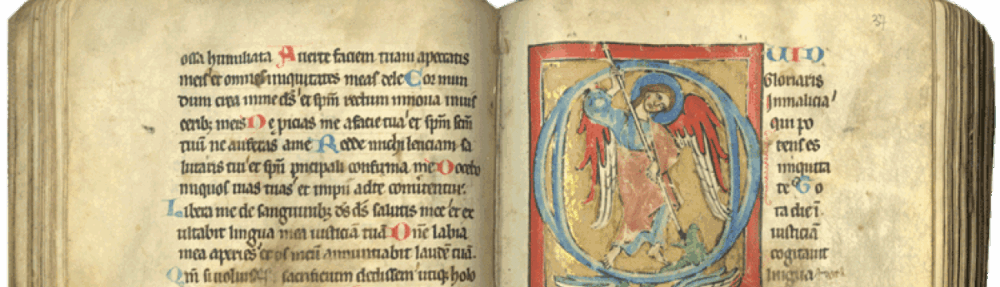
Everything is political and has a purpose, especially in what people view. Every letter font, size, style of language, is chosen for a specific purpose. Art, paper, and ink, have history in political events, pressure, and perspective.
For example, we talked about in class how Blackletter changed to Roman type during the Nazi regime because of the founding and implications of using that specific font. Type, font, and ink, can be used for different types of propaganda and tried distinctions between people and who they see as unequal to them to status. Historically, wealthier people have tried to bar out or distinct themselves from those with less through refined language, slang, or writing in latin or calligraphy. They’ll have personalized stationery with multiple envelopes with gold leaf or wax.
Often with printed or written propaganda, there will be a set standard that it is based upon. There will be a certain process used to achieve different varieties of products but will achieve the same outcome of drawing viewers in and getting them to associate an emotion with an action or person. I’ve found it very interesting in different eras and places, the same tactics are used repeatedly. Big font with strong primary colors with simple, but strong text. The language and assortment of text is curt to get the point across like Hope, Change, We can do it!, even callbacks when Trump uses Reagan’s campaign slogan in simple font with a relatively plain red background. This usage of bright spread ink shows strong emotion and connects the viewer to past memory and likeness to another. It reminds me of a bull seeing red and continuing to tie the color with the action of charging towards it.
To be effective, something doesn’t need to be detailed, it needs to be eye-catching and sharp. Rigid lines or symbols or even attitudes of characters on the page reflect this ferocity of the message. The more detail it has, it causes us look too long, examining the intricateness of the propaganda and draw out it’s motives or ignore it as it isn’t easily digestible.
The printing press and publishing will always be one of the most powerful assets to propaganda and the spread of influence, like Gutenberg’s first purpose, spreading the bible. Every piece that goes into making posters or art or text is done with intention, changing the way for generations we have viewed and acted in the world.
These are all great points. I’d like to see you practice tying them to the text. What specifically in the reading prompted these reflections? That’s the kind of analytical practice you will need for your essays.
Be warned, I’m excited to reply to anything relating to the Meggs reading. Something I don’t think many people realize is just how pervasive the influence of the avant-garde and modernist designs of the Bolshevik artists have been (to this day). Both Nazi Germany and the West were inspired to the point of complete mimicry, and the influence remains ubiquitous in both American and European design. When I look at the transition from Blackletter to Roman to Futura typefaces in fascist design, I have to laugh, because to me it signals an inferiority complex. They were also apparently very confused, because at one point, they decided that Blackletter looked too much like Hebrew–however, part of the reason they hated Jews was because they believed in a conspiracy where Jewish communists were plotting to take over the world. Yet, credit for the Futura typeface is directly traceable to commie Soviet design. Anyway, I’m so glad you were inspired to engage with the politics of typography. You can really appreciate how complex branding theory can be once you realize how much thought goes into all these seemingly basic parts!
Hi Janesa! I think you make a particularly wise observation regarding the power of simplicity. Bold sans-serif fonts, vibrant colors, and sharp contrasts are just a few of the aesthetics that authoritarian regimes have used for centuries. I like that you pointed out that these are not merely aesthetic decisions, they are intended to elicit an emotional reaction right away and avoid critical thought. It’s about forming an automatic association, a reflex rather than a reflection, which is why the analogy to a bull and red cloth is appropriate.
Hello Janesa! Considering how much content is out there, is hard to conceptualize that everything is political, yet that it the truth. I love the observation you made with advertisements and propaganda, “to be effective, something doesn’t need to be detailed.” I think that this is the reason why so many people cannot fathom that everything is political or propaganda, despite it being the truth. Simplicity is the way to enter our brains and it’s mighty effective.