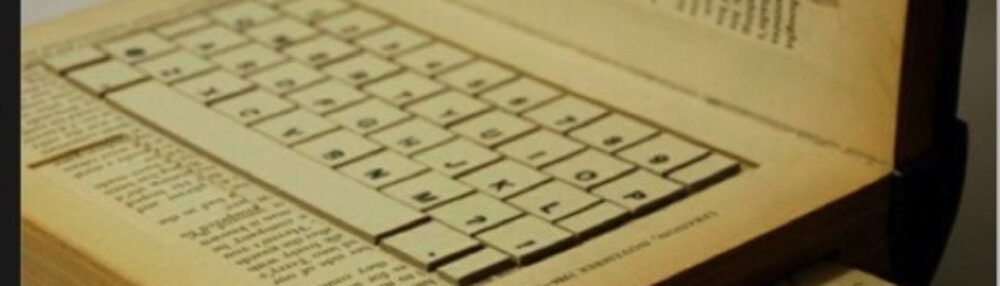
In How the Page Matters, Bonnie Mak discusses the page as separate from the book, and the different forms it takes depending on its use and interaction. I was most struck by the detail of the papyrus scrolls and the way the paginae was formatted based on genre, with verse texts having wider columns than prose texts (12). The formatting of the interface of the page is meant to communicate and facilitate the genre. Page formatting based on genre is something that is somewhat inhibited by the typical mode for writing today, which is through a digital word processor on a computer. There are specific ones I can think of, like Scrivner, which I remember allow for templates for different genres such as plays. However, this feature felt limited to me. I think I often think of any ‘abnormal’ formatting in a book as superfluous and somewhat childish, but I suppose this is because of the influence of authoritarianism of the book and modern print. I expect the formatting of the book to follow some kind of an axis, either up and down or side to side.
In turn this makes me think of what Mak had to say about “specific letter forms can infuse a text with social or political suggestion” (15). Specific texts and the way this text is formatted can be used to communicate meaning, outside of the way that printed language communicates meaning. Mak uses an example of the way that gospel texts are organized, by paragraphs and chapters. Ultimately this makes me think of the influence of religion on what kind of visual language I view as normal or necessary and which I see as unnecessary.
Hi Demree,
I really like you post and appreciate you mentioning that you think that abnormal book formats seem childish. Personally, I do not see them as childish per-say, however, I would not expect them to be something which is institutionally recognized as “credible”. In other words, I see it as art and not much else. This begs the question why the average book gets credibility. There is no intellectual integrity it demands, it just happens to look the same as other books which we see as credible. Is this due to work processor restrictions or bureaucratic and institutional restrictions I wonder? I suspect it a mixture of both, but mostly the latter. In a similar way to how religious texts influence (the perception of) text, I would imagine that documents recognized institutionally as credible are the same.
-JJ
I too am curious about what constitutes “abnormal” especially when we understand that the standard page took centuries to develop… Eager to bring into the conversation discussion of the modernist page this week!