I’ve been a writer for a very long time. In many ways I think I can tie this back to the murder of my father as a child, sifting through his things, what he collected, what he wore, for years trying to piece the clues together to make sense of who the man was who I hardly ever knew. It led to an obsession with permanence. What are we when we’re gone apart from the things we leave behind? So I write in a kind of vain attempt at immortality. At its very best it is a noble effort to endure, at its worse it is nothing but pure vanity, of thinking one might matter enough to be spoken of far into the future.
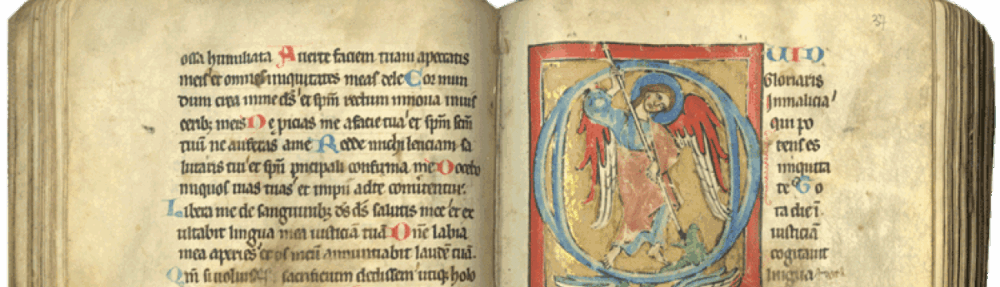
What frightens me the most about digital literature is the knowledge that these things are ephemeral. As Doctor Pressman says in her introduction to electronic literature, sometimes we have “only seven years of access to these works,” a far cry from the tens, hundreds, and in some cases thousands, of years of access we have had to the works of literature we all have grown up with. My favorite novel is nearly ninety years old–the book I did a biography on for the midterm was first written in the thirteenth century. When writers write they write to stay. Writing has always, in some form, been a struggle against time. To record one’s thoughts and the mechanics of one’s mind takes those things from fleeting to enduring.
The three Ps of e-lit are poetics, critical practice, and preservation. “Facade” was created on a version of the web that no longer exists. Caitlin Fisher’s “Circle” plays with ephemerality in its core concept. I think it is admirable, and quite Zen, for artists to create without the impression of any permanence in their work, but what does that mean? I believe it goes against the very nature of being human, to me. It is to allow for death, to celebrate it, to accept it.
I have known very many men who have spoken of accepting the end, of being at peace with it, but when the end came I believe rather firmly that all of them realized they had been liars. And it is far different for a man with a rifle in his hands to wave away life with a flick of the wrist when they are willingly gambling with it than for someone who creates, whether to commune with the masses or in cathartic process, to accept that what they have done is of no meaning to anyone but the artist themselves. If it is true then it is admirable. But I cannot understand it. It is a complete and total submission to time and its forward progress, and to think of it makes me feel incredibly small and powerless, like standing in a field of ever-receding black, vanishing and vanishing in every direction all around you.
Seven years of access? I have blinked once and seven years passed. And to look back I often return to things I have written or things I have created. If they were not there how would I have any measure of who I ever was or how I became whoever I would be?
Maybe I am harping on some age-old fear. I know I am. But I know this because when those fears were expressed people wrote about them; people conveyed the fears in mediums that were enduring. We can look back at the historical record, and we can find them. We can trace where we once were, how we came through to the other side. What does it do to us, as a society, as mankind, if there is nothing to trace? We are floating, and maybe we always have been, but I do not know how to accept it.